create a high relative humidity level (especially in the south) which can really wreak
havoc to the overall health of your crawl space and the living space above.
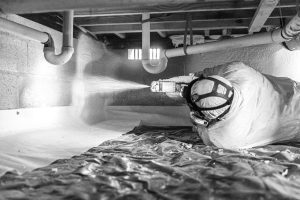
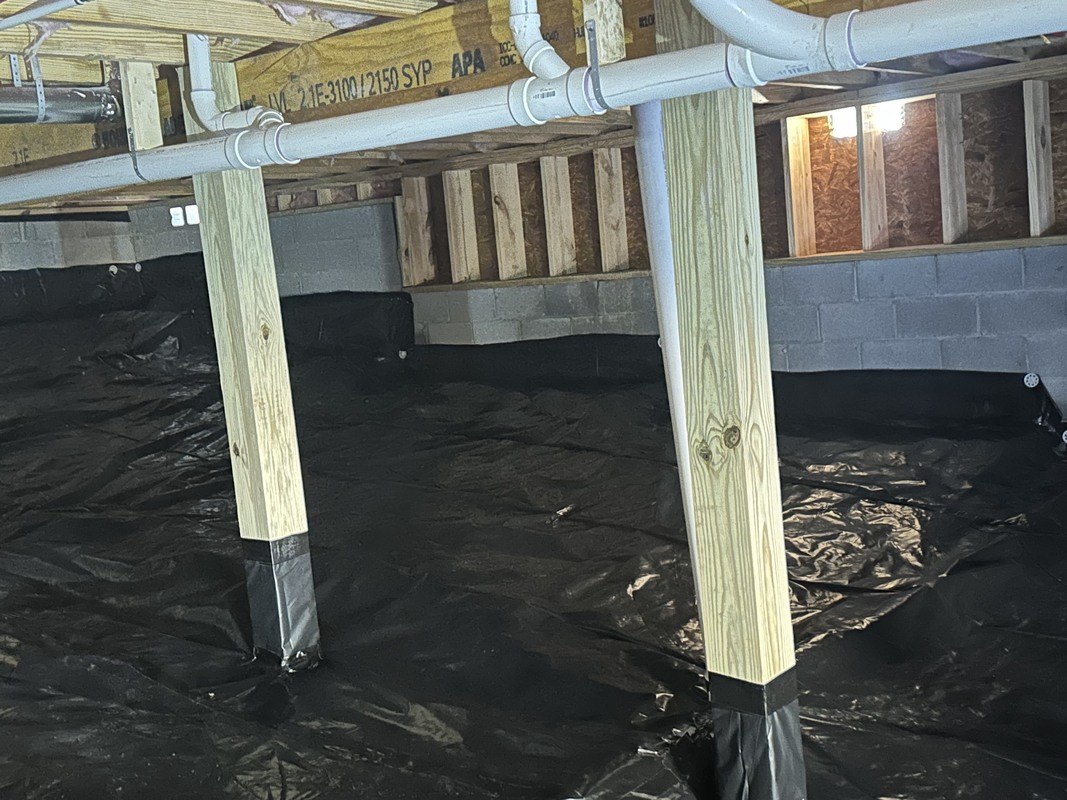
An Unvented (Conditioned) crawlspace does not have vents – it is sealed against outside air infiltration. Think of the crawlspace as another room in your home – like a basement.
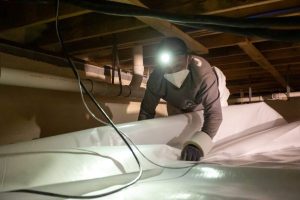
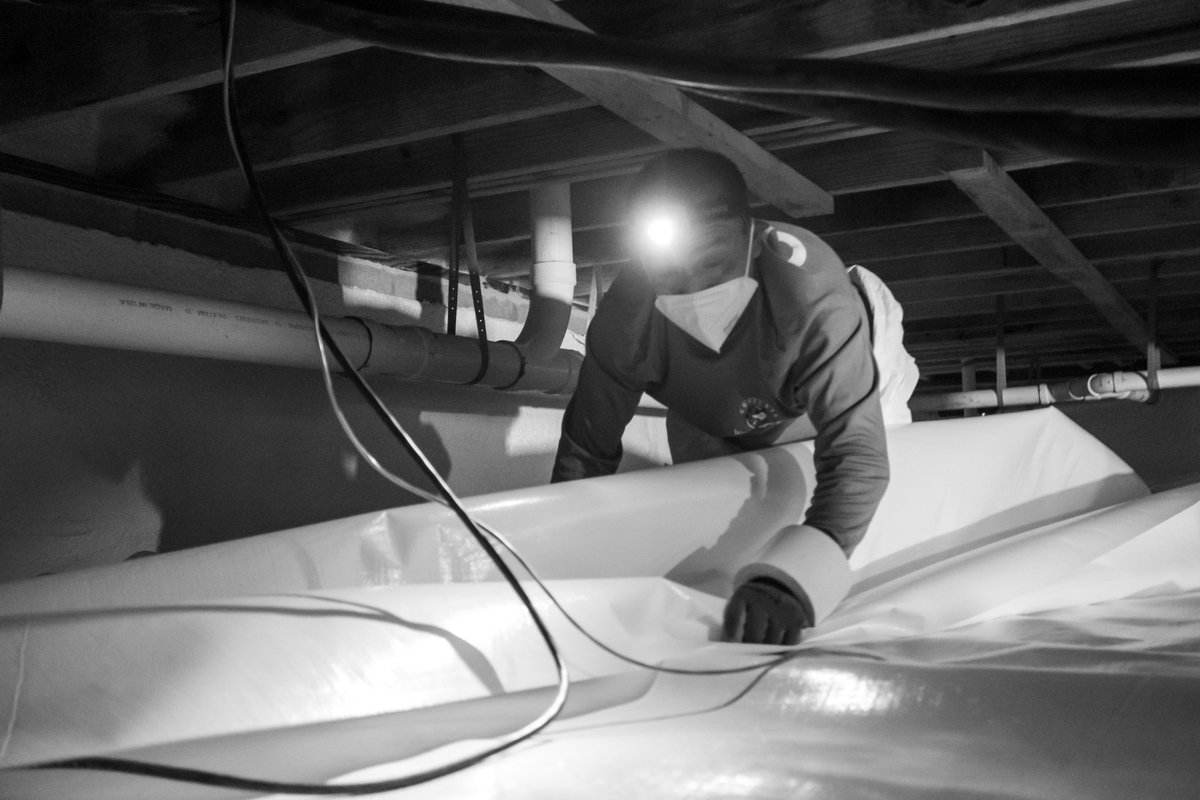
One of the most common terms used for creating an unvented crawlspace is “Encapsulation”. This type of crawlspace is insulated at the perimeter walls and not the crawlspace ceiling. To protect from ground generated water vapor a true “vapor barrier” must be installed. The vapor barrier must be properly sealed at the seams, edges, etc. so that vapor cannot penetrate into the crawlspace. You can “condition” the space by installing a properly sized dehumidifier.
The principal disadvantages of a vented crawl space over an unvented one are that (1) pipes and ducts must be sealed and insulated against heat loss (cooling loss in the summer) and freezing, (2) a larger area (the crawl space ceiling typically is larger than the area of the crawl space walls) usually must be insulated, which may increase the cost, (3) under hot humid conditions warm humid air circulated into the cool crawl space can cause excessive moisture levels in structural wood components (especially floor joists) that can cause mold and decay, and (4) an airtight, continuous thermal envelope at the crawl space ceiling is very difficult to achieve in practice.
· Credits: DOE Building Foundations Handbook, North Carolina Advanced Energy Corporation
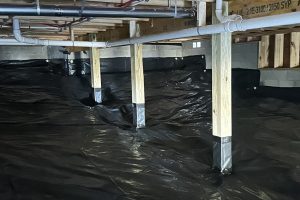
Typical builder grade 6ML black poly is made from recycled content. This may sound environmentally friendly, but each time polyethylene is recycled, reground, etc. it loses its original performance characteristics. It will break down, turn brittle and not perform its role as a vapor retarder. It will need to be replaced several times during the life cycle of a home’s crawlspace.
There are several methods that could be used to achieve either of these requirement’s – the most common is R19 fiberglass batts between the floor joists of the crawlspace ceiling. You must present an insulation certificate that states the R-values of what was installed prior to receiving a Certificate of Occupancy.
Retrofit: There a couple ways to change or upgrade your existing insulation. You can DIY the install or hire a professional insulation install company. Either way, since a building permit is not involved, you may decide to install as you see fit. However, some words of caution, if you do not perform the installation to current building code standards this could really cause a problem down the road. An issue will most definitely arise if you decide to sell your home. Most every home sale requires a home inspection. Home inspectors are very up to date on current code requirements and will most certainly note any deficiency in the insulation on their reports. It will be a condition you must correct prior to the home selling.